In 1829, The Eastern State Penitentiary was built with the intention to carry on Pennsylvania’s solitary confinement system with greater efficiency than before. Nearly fifty years since its closure, Eastern State is still one of the most notorious penitentiaries in the nation. Tourists come from all over the world to get a feel of what life was like in a 19th-20th century high-security penitentiary. From famous inmates and cell blocks to escapes and captures, people can not seem to get enough of Eastern State. As a class, we went beyond the stone walls and took a more in-depth look into its past.
The tour started with a walk through the gates where we found ourselves in the first alley of cells. In this alley is a former inmate and infamous 20th-century bootlegger Al Capone’s cell. The cell was adorned with lamps, paintings, and embroidered rugs. Our tour guide boasted the benefits of being a well-behaved inmate, and a wealthy one too. Al Capone was sent to Eastern State in 1929 after carrying a concealed, unlicensed weapon. He only stayed at ESP for a few months, and throughout that time was considered a privileged prisoner. However, what we were about to see was the opposite of privileged.
We entered the center circle of the penitentiary, where we peered down each of the various rows of cell blocks. We walked into cell block eight, but then quickly turned down cell block two. While we were walking down cellblock two, my classmates and I got the chance to examine two of the conventional cells. The cell was only about 8 feet in width, and a toilet bowl, bed, and sink area filled much of the space. A small glass window located at the very top of the cell was the only view of the outside world that we had, and the stench of the old room filled our noses. It felt like pure isolation.

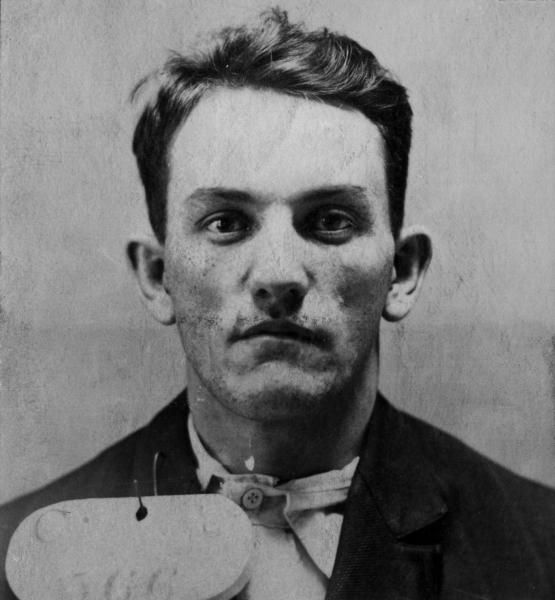
After we had the chance to examine a real prison cell, we got a small lecture about the severity of solitary confinement. We learned that the tiny cell led to an inmate’s patch of grass that nobody else could enter except for the inmate’s guard. If that isn’t enough, an inmate had to be covered with a mask at all times when they went outside. Before we made our final stops outside, we got a chance to see the exclusive cells where some of ESP’s past death row inmates were held. We all read a short blurb about Eastern State’s only successful escapee out of the 100 that tried, Leo Callahan. Leo Callahan was brought to ESP for attempted murder and assault. Today, he would be over 110 years old.
Despite the lengthy amount of time inmates spent isolated indoors, The Eastern State Penitentiary had an abundance of different recreational fields to explore. 30-40 feet walls surrounded each of the courts, and each was guarded by high-security watch towers when the prison was in use. We also viewed the tuberculosis yard and infirmary, along with a few facilities that survived to this day.
Eastern State Penitentiary played a major role in the criminal justice system of the past. Today, the United States has the highest incarceration rate globally at 2.2 million people incarcerated and is bordering mass incarceration. To showcase the growing number of the incarcerated to the public sector, the people at Eastern State Penitentiary introduced a new crime and justice exhibit titled: Questions in the Age of Mass Incarceration, as well as the 16 feet tall “big graph.” The graph gives an example of the unprecedented number of people incarcerated in the United States since 1900, and a racial analysis for each decade. The companion exhibit sheds light on the topic of racial justice and mass incarceration, which gave my class an in-depth view of the modern criminal justice system.
The tour of the Eastern State Penitentiary emulated past criminal justice systems in the eye of modern-day. The main takeaway from the trip is that prison reform and criminal justice are ever-changing systems. The prison system adapts based on time frame and will never conform to just one set of “rules.” The trip to the Eastern State Penitentiary gave us a personal view of what the brutal prison was like because, as Charles Dickens once said about the ESP: “…very few men are capable of estimating the immense amount of torture and agony which this dreadful punishment, prolonged for years, inflicts upon the sufferers.”

Resources:
https://www.easternstate.org/notable-inmates
 Problem Solving & Dreaming Big in History: Making Philadelphia