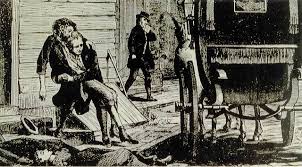
Yellow Fever was a raging epidemic of the 18th century. The epidemic spread across Philadelphia, Africa, and the Carribean; but how was this epidemic influenced by history? What came before the horrible illness that wiped out Philadelphia?

The geographic origins of the Yellow Fever epidemic were all affected by revolutions around the world. All of these events were indirectly connected to the result of the outbreak in Philadelphia during 1793. Before the American Revolution, England ruled over the thirteen colonies in North America and shipped many enslaved Africans to do harsh labor. At a later time, the British Empire colonized West Africa. However, in 1775, the Americans revolted against the British forces for their independence. The 13 colonies—including Pennsylvania—fought alongside the French, and succeeded. Influenced by the success of the Americans, the French revolted against the monarchy. The French Revolution promoted an equal rights republic, which freed enslaved people in French colonies. One of these territories was Saint Domingue, now modern-day Haiti, an area populated with enslaved people that were dealing with the earliest strains of Yellow Fever. The American and French Revolutions gave the country’s freedom from Britain, but also affected the result of the Yellow Fever epidemic.

Slavery in Saint Domingue had a great effect on the epidemic. The French Republic’s anti-slavery ideals lasted until Napoleon Bonaparte, a French general rebelled. With his power, he overthrew the French republic and attempted to restore slavery and slave trade in Saint Domingue and other colonies. The enslaved people revolted, and the French and British forces went to Haiti to begin the Haitian Revolution. Both of the European forces fought to gain control over Haiti, but they didn’t know that this revolution would directly lead to the Yellow Fever epidemic of 1793.
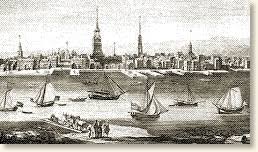
As the French and British traveled to Haiti, they were unaware of a sickness that was going to ravage both sides of the war. Before the Haitian Revolution, the British went to West Africa to colonize. While they were there, the British caught the most deadly strain of Yellow Fever. Mosquitoes are the insect that spreads Yellow Fever; they thrive in hot and humid weather. The climate of Saint Domingue made it a perfect breeding ground for the bug. The French, British, and Haitians all caught the fever, and soldiers were dying quickly. To avoid the chaos, French soldiers fled to Philadelphia. They came over on ships and brought with them the lethal strains of Yellow Fever. Without intention, they infected the entire city, wiping out 5,000 Philadelphians. The Yellow Fever epidemic that struck Philadelphia was caused by attempted colonization and successful revolutions around the world.
 Problem Solving & Dreaming Big in History: Making Philadelphia