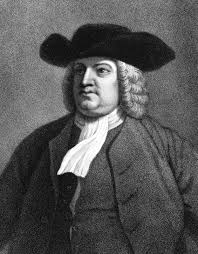
When getting out to create the canvas of Philadelphia, William Penn made a promise for religious and political freedom. King Charles II owed debt to his father, Admiral Penn. Penn was gifted a share of land West of The Delaware River as the payment. Young, lucky, and a novice, William Penn had the idea for a new city revolving around his Quaker beliefs, which would soon become a reality. He made a promise for political freedom and religious acceptance. Penn’s utopian dream was to create a city driven by Quaker ideals, a City of Friends, the city of Philadelphia.
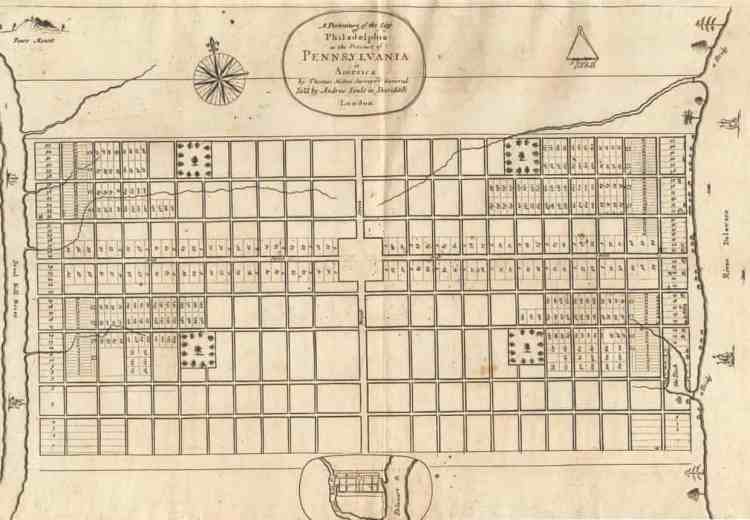
When creating Philadelphia, the idea of “Always Wholesome and Never Burnt” was in William Penn’s mind; the addition of Thomas Holme’s grid pattern did just that. The orderly map, running from river to river, reflected a distinctive town for the 17th century. The city was shown in a rectangular grid pattern, and the streets were perpendicular. By doing this, Holme and Penn intended to prevent plagues, conflagrations, and other disruptive disasters. Wide streets and square blocks were placed for the prevention of alleyways, which attracted misconduct. Dark alleys collected bacteria and human waste, increasing the chances of epidemics in the town. To avoid major conflagrations like the Great London Fire, Penn covered the city in green space. Thomas Holme’s city pattern promoted the principle of order, which the Quakers liked. The orderly grid pattern prevented many destructive events from occurring, making it important to Penn’s Quaker ideals.
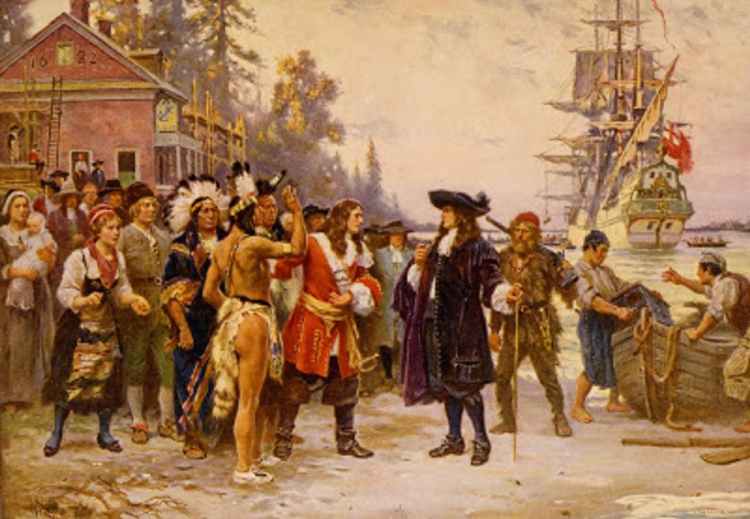
William Penn’s Holy Experiment made Philadelphia a religious focal point. When living in England, William Penn was imprisoned many times for his Quaker beliefs. Upon being freed by his father, he was granted the land of what was to become Philadelphia. In this city, he promoted religious tolerance and invited all persecuted religions, including Quakers. His plan succeeds, and would later become reality for all states among the U.S.
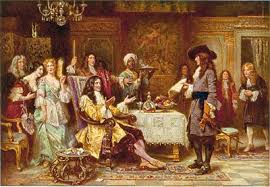
While these ideas worked for a period of time, William was called to England to defend the rights of Philadelphia. When he is there, he is ordered to run England. Why would he choose to run a small colony over powerful England? Inevitably, he agrees. Back to England he goes!

When he is away serving his country, Philadelphians wreak havoc. Drunkards and rabble-rousers cut out alleyways, overcoming his utopian dream. Philadelphia became anarchic. When Penn arrives for a visit, he is disturbed. He attempts to save his utopian dream for the sake of Philadelphia. Political democracy erupts, and William Penn floats back to England never to return. He later passes away, making that the end of William Penn and his promise to Philadelphia.
 Problem Solving & Dreaming Big in History: Making Philadelphia